Original Art vs. Art Prints: Which Should You Buy?
“Original paintings and art prints offer different experiences, formats, and price points. Understand what each is before choosing what belongs in your home.”

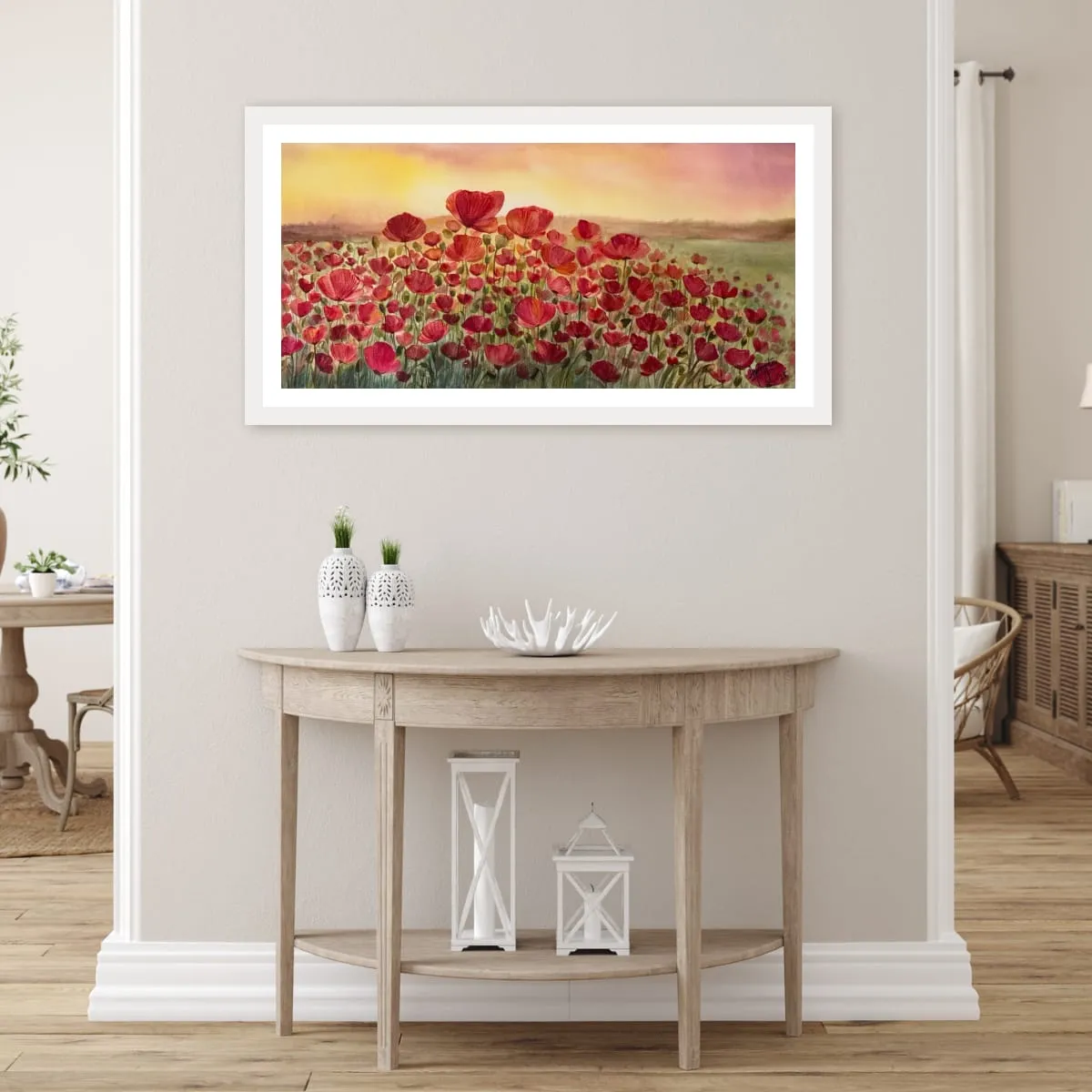
You find a painting you love, then notice another listing at a very different price. Is one an original and the other a print? The distinction matters because they are different objects, even when they show the same image. Before choosing, decide what you value most: the one-of-a-kind work, a particular format, a lower price, or simply the image you want to live with. You can compare available original artworks as you read.
What makes an artwork an original
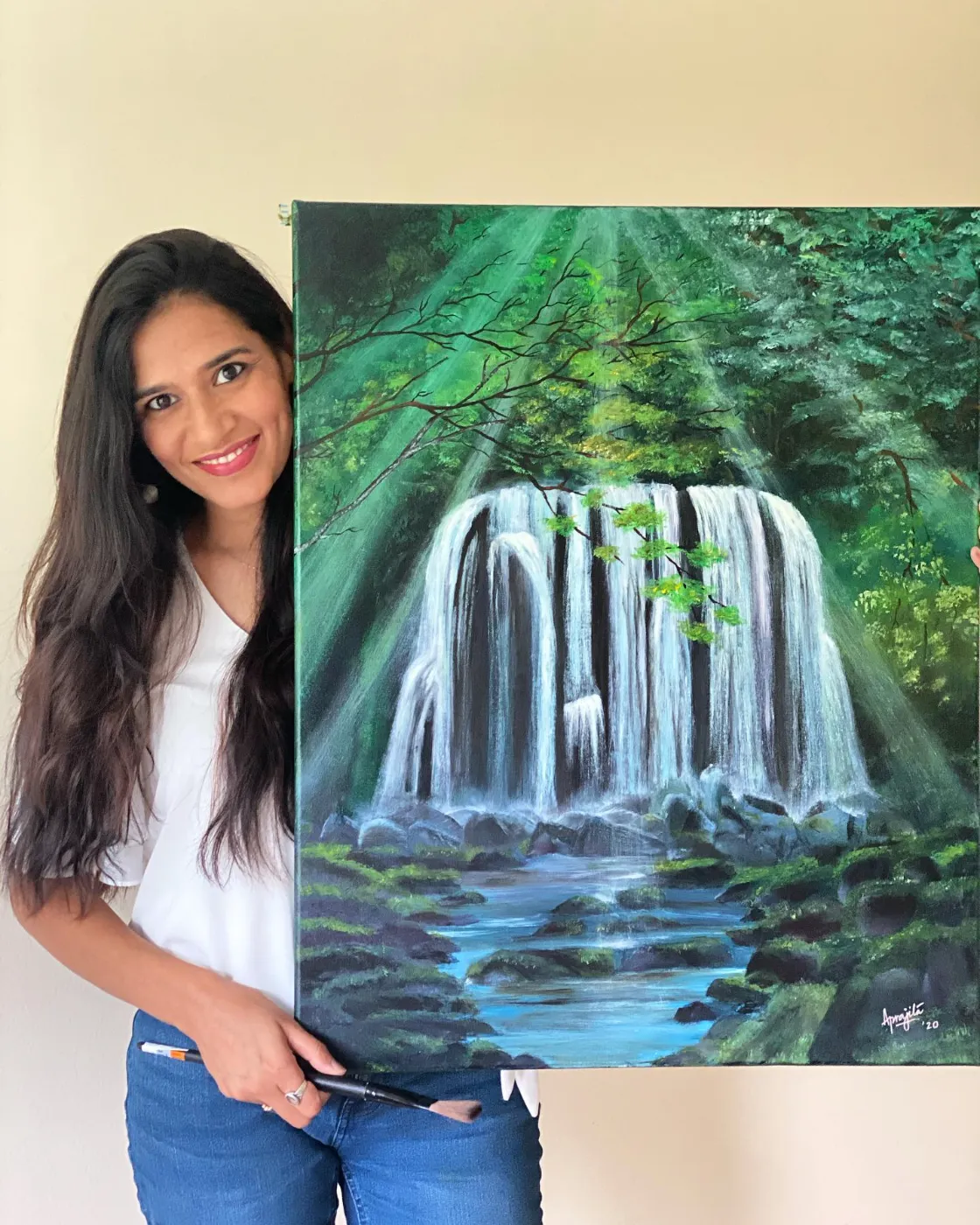
An original painting is the physical work made by the artist. Its surface, marks, and material details are part of the object. Because it is one specific artwork, it cannot be replaced by another identical original. Listings should identify the medium, support, dimensions, and whether the piece is framed.
“Print” can describe more than one kind of artwork
In many online art shops, a print is a reproduction of an existing painting or image. Some reproductions are issued in a numbered, limited edition; others are open editions with no stated limit. A limited-edition reproduction is still different from the original painting it reproduces.
There are also original prints made through processes such as etching, linocut, screen printing, or lithography. In those cases, the printmaking process is the artist's original medium rather than a copy of a painting. A trustworthy listing should tell you which kind you are viewing.
Check the edition size, printing process, paper or other surface, signature and numbering details, and whether a frame is included. If a seller uses “fine art print” without explaining the process, ask for clarification.
The word “print” covers many qualities and price points. It is not automatically inferior or the right choice for every buyer. The important point is that the listing tells you exactly what is being sold.
Which one is right for you?
Choose an original if you are drawn to the physical painting, its particular surface, or the knowledge that the work is one of a kind. Choose a print if you want that image in a reproduced format or the original is outside your current budget. Your decision can be about personal meaning and practical fit, not investment expectations.
Neither label tells you whether you will enjoy living with the work. An original does not become meaningful merely because it is unique, and a print does not become insignificant because more than one exists. The image, materials, scale, and your response to the piece still matter.
Consider the room, dimensions, materials, framing, and care instructions. If size is part of your decision, this guide explains what artwork size to choose above a sofa. For broader buying questions, see how to buy art for your home.
Read the listing and ask before checkout
Look for clear language such as “original painting,” “limited edition print,” or “open edition print.” Confirm the medium and surface, dimensions, edition details where relevant, shipping, and returns. If the listing leaves room for doubt, ask the seller before paying.
For a numbered edition, ask whether the stated dimensions refer to the image, the full sheet, or the framed work. Find out whether the edition number and artist's signature appear on the work and whether an artist proof is being sold. These details help you compare like with like; they are not a substitute for choosing an image you genuinely want.
If an original is what you want, browse available original paintings. If you have a specific subject or palette in mind that is not available, learn about commissioning a new painting. Either way, buy the format you actually want, with the details understood.