How to Choose Landscape Art for Your Living Room
“Choose a landscape painting for the way it opens, grounds, or energizes your living room, then check the scale and details before buying.”
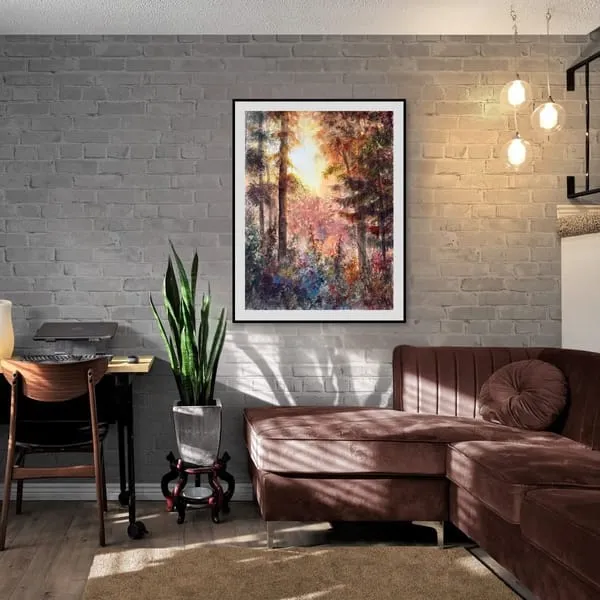
A landscape painting gives the eye somewhere to travel. It can make a room feel more open, bring a favorite kind of place indoors, or create a quiet counterpoint to a busy day. The right choice is not always the most literal scene. Begin with what you want to feel when you look up, then explore available original artworks.
Choose a scene by its atmosphere
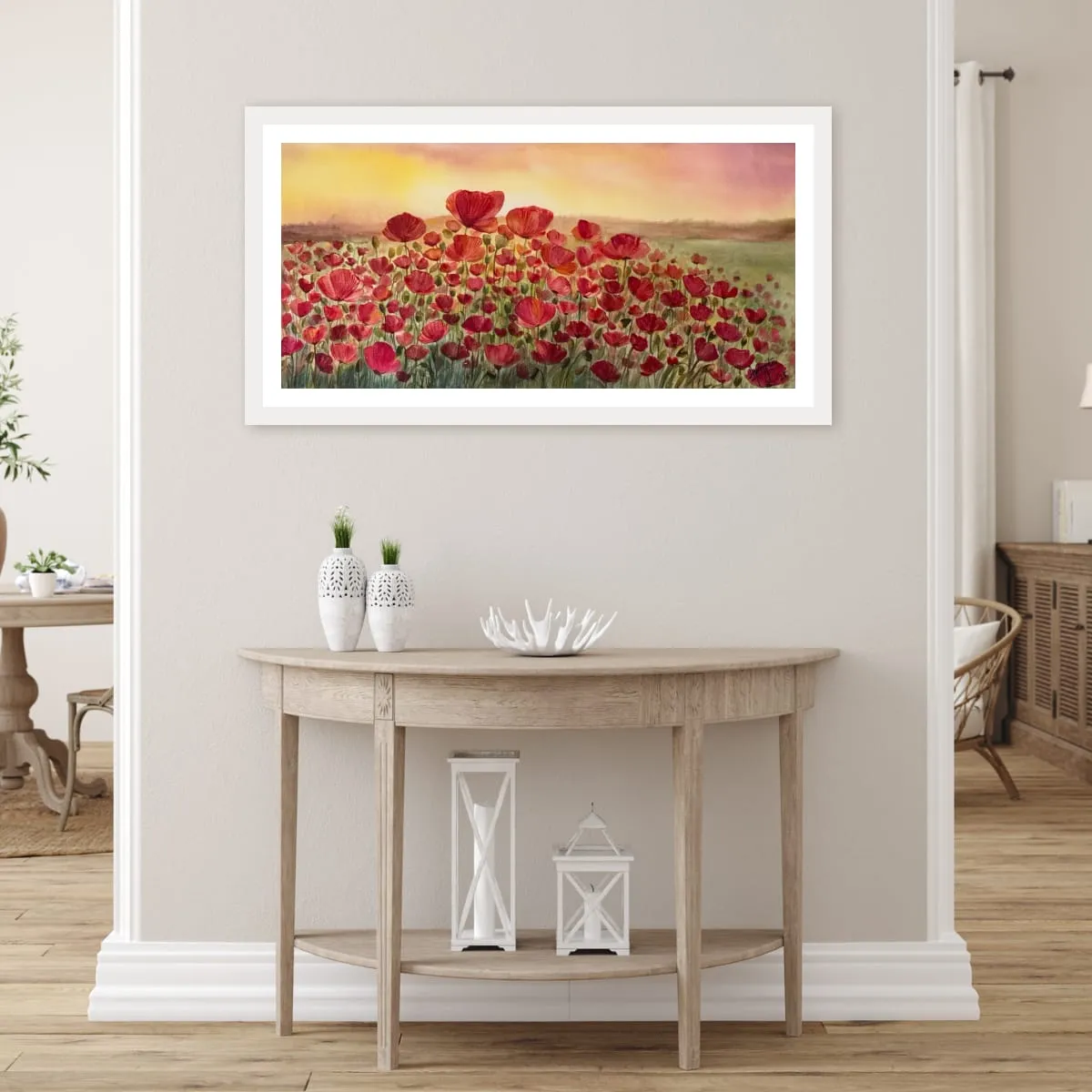
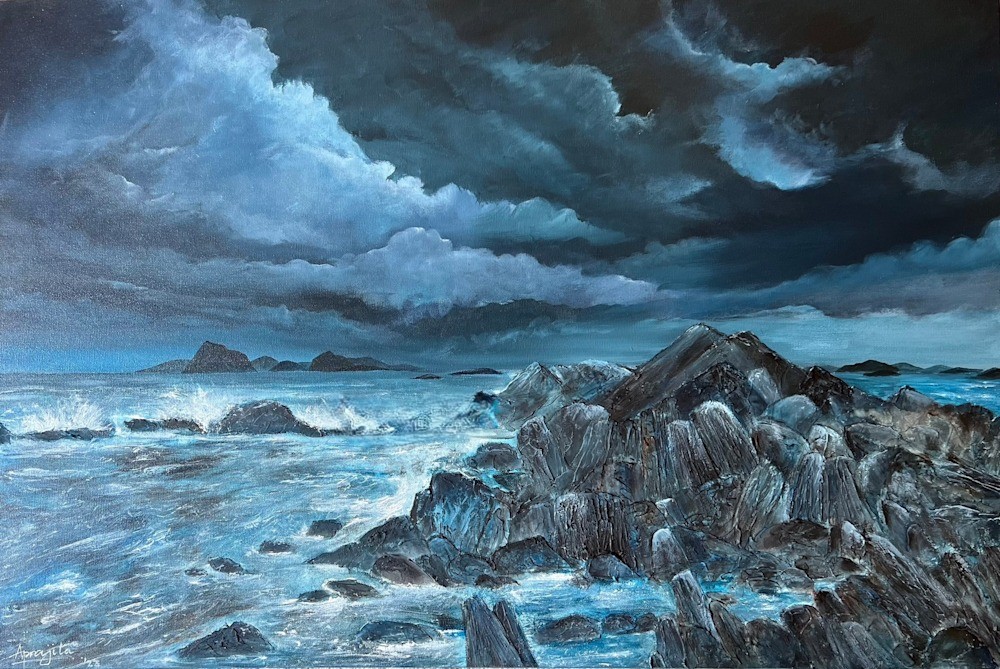
Notice whether you are drawn to open horizons, tree-lined paths, water, changing skies, or a close view of a familiar landscape. A broad horizon can feel spacious. Layered forms may make a room feel sheltered. More expressive brushwork can bring movement without asking the painting to document a specific place.
Ask what you keep noticing in the work. Is it the light, the palette, the direction of the view, or the way the artist has simplified the scene? That answer often matters more than naming a particular landscape style.
The horizon deserves special attention. A low horizon gives more of the painting to sky and can feel expansive. A high horizon brings the land, water, or foreground closer. A scene without a visible horizon, such as a woodland path, can feel more immersive and enclosed. Compare those structures, not only the subject names.
Consider the colors already in the room
The painting can echo a color from a rug or chair, but it does not need to match. A related warm or cool undertone helps the work settle in; a contrasting note can enliven a quiet space. For help balancing color in a restrained room, read how to choose art for a neutral living room. For a specifically blue palette, see blue wall art for living rooms.
Match the scale to the wall
Measure the wall and the furniture below it. Use the actual dimensions in the listing, and mark the outline with painter's tape if it is difficult to picture. A painting needs enough space around it to read clearly. Above a sofa, the width and height affect how the whole seating area feels. This guide explains how to choose art size above a sofa.
Orientation can solve different wall problems. A horizontal landscape often suits a sofa, console, or bed because it follows the furniture's width. A vertical woodland, waterfall, or mountain view can occupy a narrow wall between openings. A square landscape creates a contained focal point and can work where a panoramic format would feel stretched.
Do not crop or force a composition simply to fill a wall. If the work you love is smaller than expected, give it generous space, place it above narrower furniture, or consider a frame that supports it without overpowering it.
Check the artwork before you order
Confirm the medium, support, dimensions, framing, and whether the work is an original or an edition. Read shipping and return terms and ask questions before checkout if anything is missing. A screen cannot reproduce every detail or color exactly, so look for close views and a clear description. The art-buying guide gives you a practical checklist.
If the painting is on paper, ask how it should be framed and protected. If it is on canvas or board, check whether the edges are finished and whether hanging hardware is included. These presentation details affect the final footprint and how soon the work can go on the wall.
If an existing painting has the mood you want, trust that response and explore it further. If you have a specific place, palette, or size in mind and want to discuss a new work, learn about commissioning a painting. Otherwise, browse the available originals and choose the landscape you want to return to.